Affordable Ultherapy Clinic Malaysia Options
Ultherapy Guide: Non-Surgical Skin Firming for Radiant, Toned Skin
Ultherapy has emerged as a popular option for people looking for non-surgical solutions to skin laxity. This innovative treatment uses ultrasound technology to stimulate collagen production, addressing regions like the face and neck. It offers naturally enhanced results with little recovery time. However, not everyone may be suited for this procedure. Understanding the key aspects of Ultherapy can help potential candidates make informed decisions about their skin care options. What key considerations should be evaluated prior to undergoing treatment?
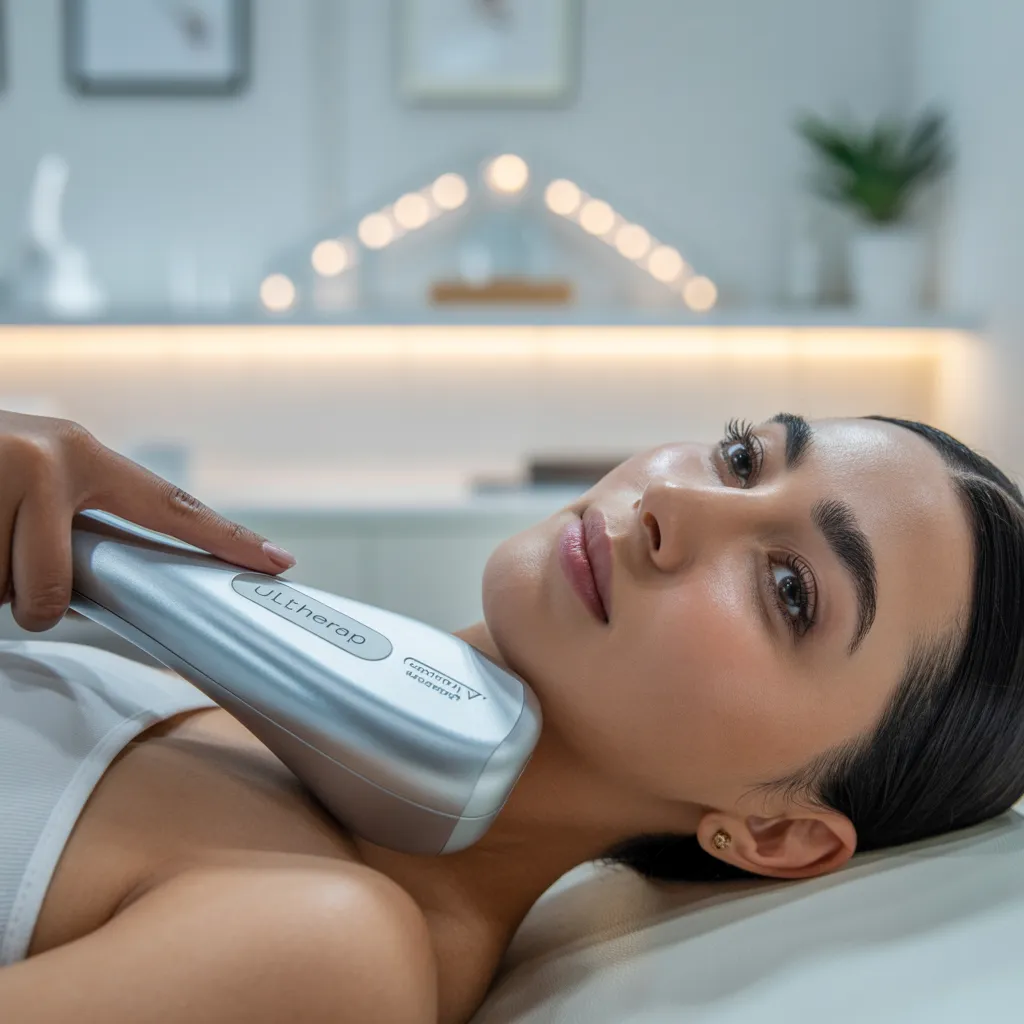
Are You a Good Candidate for Ultherapy?
Evaluating whether an individual qualifies as a good candidate for Ultherapy encompasses a number of essential considerations. Most importantly, individuals should assess their skin elasticity and overall skin condition. Ideal candidates typically exhibit mild to moderate skin laxity, typically noted in people aged 30 and above, though younger patients can also experience positive results. A thorough consultation with a qualified practitioner is essential to evaluate specific goals and expectations.
Past health records play a crucial part; individuals with particular medical conditions or those who have received certain skin procedures may not qualify. Moreover, individuals should have realistic expectations about the procedure's outcomes. Even though Ultherapy is a proven solution for skin lifting and tightening, it does not serve as an alternative to surgical interventions. At the end of the day, anyone thinking about Ultherapy should participate in comprehensive conversations with their healthcare specialist to verify they fulfill the necessary criteria for the best results and safety.
Understanding Ultherapy: What It Is and How It Works
Ultherapy is a non-surgical procedure that employs ultrasound waves to encourage collagen growth within the skin. This method effectively targets areas such as the face, neck, and décolletage to enhance skin elasticity and firmness. Comprehending its treatment approach and the particular zones it focuses on is vital for anyone thinking about undergoing this procedure.
Understanding the Treatment Mechanism
Harnessing the power of ultrasound technology, Ultherapy delivers a non-surgical solution for lifting and tightening the skin. This innovative treatment utilizes focused ultrasound waves to deeply penetrate the skin's layers, targeting the fundamental support structures, including the dermis and the SMAS layer (SMAS). By delivering targeted energy across multiple depths, Ultherapy promotes collagen regeneration, supporting the skin's natural renewal process. The procedure triggers a natural healing response, permitting the skin to slowly firm and lift over time. In contrast to conventional surgical methods, Ultherapy necessitates no downtime, rendering it a desirable option for those seeking subtle yet effective results. Patients may notice improvements in skin elasticity and firmness, resulting in a more rejuvenated look without the need for invasive interventions.
Overview of Target Areas
The flexibility of Ultherapy extends to various target areas, making it a preferred option for those pursuing non-surgical skin renewal. Most notably, Ultherapy targets the face, neck, and décolleté, tackling loose skin and encouraging a firmer appearance. The treatment focuses on elevating the brow line, minimizing jowl appearance, and improving jawline contour. Moreover, it can reliably target lines and creases, particularly in the eye and mouth area. Some specialists also utilize Ultherapy to areas like the chest and arms, broadening its treatment scope. By utilizing ultrasound technology, Ultherapy encourages collagen development deep within the skin, delivering organic-looking outcomes over time. This precise technique helps patients achieve refreshed, youthful skin without the need for surgery.
Advantages of Selecting Ultherapy for Skin Lifting
Ultherapy delivers remarkable benefits for people looking for skin tightening and lifting without the need for surgical procedures. Its minimally invasive approach allows for reduced recovery time, making it an attractive choice for busy individuals. Additionally, the procedure delivers natural-looking results, enhancing the skin's appearance while preserving a youthful glow.
Advantages of Non-Invasive Treatment
Non-invasive methods are becoming more widely preferred due to their effectiveness in revitalizing skin without requiring surgery. Ultherapy stands out by delivering key advantages for individuals in search of skin lifting treatments. Primarily, it demands minimal recovery, permitting patients to get back to their normal activities almost instantly. This practicality makes it highly desirable for those who lead hectic lives. Additionally, Ultherapy employs ultrasound technology to encourage collagen synthesis, supporting gradual and natural skin firmness. Additionally, the procedure is customizable, allowing practitioners to target specific areas according to individual needs. As no surgical incisions or anesthesia are needed, patients benefit from a considerably more relaxed and comfortable treatment. Ultimately, Ultherapy represents a safe and results-driven choice for those seeking youthful, firm skin without the challenges of going under the knife.
Natural-Looking Results Guaranteed
Many individuals looking for facial lifting options prioritize natural-looking results, and Ultherapy provides exactly that. This minimally invasive procedure utilizes ultrasound-based technology to stimulate collagen production deep within the skin, encouraging a slow and natural lift. Unlike more invasive procedures, Ultherapy eliminates the unnatural appearance frequently seen with surgical interventions. Results improve gradually for patients, as the skin steadily firms and revitalizes, enhancing their natural features without dramatic transformation. Additionally, the procedure allows for targeted treatment areas, providing tailored results that suit a patient's specific facial contours. Ultimately, Ultherapy stands out for its ability to provide a refreshed, youthful look while maintaining the authenticity of one's natural beauty.
What Takes Place During Your Ultherapy Treatment?
In an Ultherapy session, patients can expect a systematic method of skin lifting and tightening. The process commences with a thorough consultation, where the specialist evaluates the patient's skin health and identifies the target areas. Once the plan is established, the skin is prepared, usually including the administration of a topical anesthetic to minimize discomfort.
Next, a specialized ultrasound apparatus is employed to direct targeted energy into the underlying layers of the skin. The energy stimulates collagen production, facilitating the body's natural rejuvenation. Each burst of ultrasound energy is closely monitored, providing accuracy and optimal results.
Treatment times vary according to the regions being targeted but generally range from 30 to 90 minutes. Most patients experience little to no downtime, allowing them to resume normal activities shortly after. The outcomes of Ultherapy slowly become more apparent over the following weeks, as collagen continues to build and skin appears firmer and more lifted.
Typical Side Effects of Ultherapy to Be Aware Of
This treatment, though considered safe for most patients, may lead to a number of typical side effects that patients should be aware of. The most frequently reported reactions consist of slight redness, inflammation, and sensitivity at the treatment sites. These symptoms typically resolve within a couple of hours to several days after treatment. A number of people could additionally develop brief bruising or a slight tingling feeling, which typically persists for only a brief period.
On rare occasions, patients might notice a sensation of skin tightness or warmth over the course of several days after treatment. Since these symptoms are generally minor and short-lived, it is essential for patients to monitor their reactions and seek advice from a healthcare professional should discomfort continue or intensify. Understanding these potential side effects can help individuals make informed decisions and manage expectations regarding pertinent information their Ultherapy experience, thereby facilitating a more seamless healing process.
How Ultherapy Measures Up Against Other Non-Surgical Treatments
When comparing non-surgical treatments for skin revitalization, Ultherapy differentiates itself through its distinctive ultrasound technology, which reaches underlying layers of the skin to encourage collagen growth. Unlike treatments such as laser therapy or chemical peels, which largely address the surface, Ultherapy focuses on lifting and tightening by addressing the core layers of the skin.
This degree of treatment provides for more substantial and lasting improvements, often without the downtime associated with surgical options. While other non-surgical methods typically offer improvements in skin texture and tone, they may not achieve the same level of lifting and firming.
Furthermore, Ultherapy is compatible with a greater range of skin tones and types, decreasing the chance of pigmentation issues linked to specific laser-based treatments. All things considered, Ultherapy stands out as a highly effective and versatile solution for individuals seeking considerable skin restoration without any surgical involvement.
Frequently Asked Questions
What Is the Typical Duration of Ultherapy Results?
Results from Ultherapy usually last anywhere from six months to two years, depending on individual factors like skin condition and age. Follow-up treatments may help extend the effects and improve overall skin appearance.
Is It Possible to Combine Ultherapy With Other Treatments?
Yes, Ultherapy can be used alongside other treatments, such as fillers or laser therapies. Such a combination can enhance the overall results, targeting multiple skin concerns while delivering a more complete approach to skin rejuvenation.
Is Ultherapy Safe for All Skin Types?
Ultherapy is generally considered safe for all skin types; however, individual reactions may differ. Speaking with a qualified professional is essential to evaluate suitability and ensure optimal results while reducing potential risks linked to the procedure.
What Is the Downtime After Ultherapy?
The recovery period after ultherapy generally spans from a few days to a week. Most individuals experience minimal discomfort and swelling, with visible results emerging progressively over the subsequent months as collagen synthesis accelerates.
What Are the Costs Associated With Ultherapy Treatment?
Ultherapy treatment costs commonly vary from $1,000 to $4,000, depending on various factors such as the area being treated, the experience of the provider, and the location of the clinic. Those interested should seek guidance from experienced providers for personalized quotes that reflect their individual requirements.