Expert Insights to Home Paternity Test
Paternity Testing Simplified: An Introductory Guide to Home Testing Kits
Paternity testing has progressed significantly, now providing home kits that streamline the process for those looking for certainty regarding biological ties. These kits deliver an accessible solution, using easy-to-follow methods for gathering samples. Knowing how these tests function and what the results indicate is crucial. As families address both personal and legal factors, understanding the next steps can be equally important. What should one consider before making a decision?
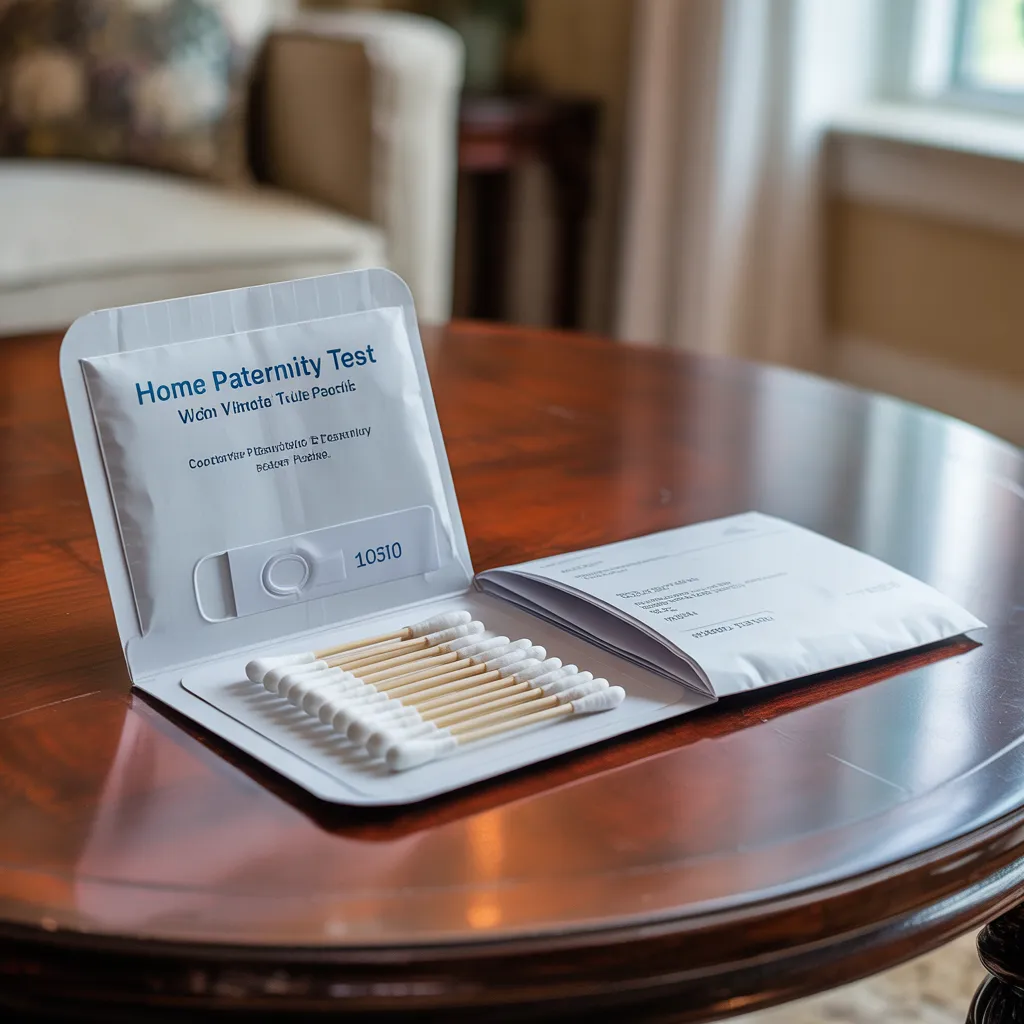
What Is Paternity Testing?
Paternity testing is a scientific method used to determine the biological father of a child. This process typically involves analyzing genetic material, such as DNA, from both the child and the alleged father. By comparing specific markers in the DNA, experts can ascertain the likelihood of paternity with a high degree of accuracy.
The most widely used paternity testing method is the DNA test, which analyzes genetic similarities. In most instances, the results can confirm paternity with over 99% accuracy if the man is the father by biology, and approximately 0% if he is not.
Paternity tests serve multiple purposes, including legal matters such as custody battles, inheritance disputes, and individual reasons for determining family ties. In general, it delivers an reliable means of establishing paternity, offering clarity in complex emotional and legal situations involving parentage.
How Do Home Paternity Testing Kits Work?
Home paternity test kits provide a convenient alternative for people looking to confirm familial ties without requiring an in-person laboratory appointment. These testing kits commonly feature buccal swabs or saliva collectors, enabling users to collect DNA samples easily. The procedure commences as all participants collecting cells from inside their cheeks to gather epithelial cells. After the specimens have been gathered, they are secured within the included collection vessels.
Individuals then submit these samples to a designated laboratory for testing, as outlined in the kit's instructions. The laboratory derives DNA from the samples and analyzes specific genetic markers between the potential father and child. Results are usually available within a few days and can confirm whether a biological relationship exists with a significant degree of certainty. Home paternity test kits deliver privacy and ease, making them a popular choice for those managing sensitive family dynamics.
Finding the Ideal Paternity Test Kit
Choosing the right paternity test kit requires considering important aspects that influence sample collection methods and accuracy. Precision can differ significantly between testing kits, making it crucial to consider the dependability of the testing process. Furthermore, the ease and effectiveness of specimen collection are vital for obtaining valid results.
Key Factors in Test Kit Accuracy
When considering a DNA paternity test kit, precision is essential, as it directly impacts the dependability of the outcomes. Several factors may affect the precision of these testing kits. First, the caliber of the genetic markers utilized is vital; additional markers usually result in more accurate determinations. Second, the standing of the manufacturer is highly important; reputable companies typically follow strict quality protocols. Also, the testing laboratory's accreditation guarantees that appropriate methods are implemented. In addition, the risk of contamination when handling samples may compromise accuracy, making it necessary to follow guidelines precisely. Lastly, proper storage conditions for both the kit and samples can also influence outcomes, emphasizing the necessity of opting for a superior kit to ensure precise paternity results.
Sample Collection Methods
Accurate results in paternity testing depend not only on the kit's quality but also on the techniques employed for sample collection. Home paternity test kits typically involve two primary sample collection approaches: cheek swabs and blood samples. Cheek swabs are the most popular choice, as they are painless, simple to use, and yield adequate DNA for examination. Users simply rub a swab within the cheek area to gather epithelial cells. On the other hand, blood samples can provide greater DNA quantity but necessitate additional knowledge for obtaining and managing. It is essential for users to comply carefully with the kit's directions to eliminate contamination or inadequate sampling, safeguarding the dependability of the testing results. description Choosing the appropriate technique significantly impacts the overall accuracy of the paternity test.
Your Step-by-Step Guide to Using Your Kit
Understanding the correct method for utilizing a paternity testing kit is vital for reliable outcomes. This guide details the key steps: getting ready for the test, gathering samples properly, and submitting those samples for testing. Following these instructions will ensure a straightforward testing procedure and dependable results.
Preparing for the Test
Planning for a paternity test involves thorough preparation and compliance with established guidelines. First, participants should thoroughly go through the guidelines provided with the test kit to gain a clear understanding of the steps involved. It is crucial to gather all necessary materials, ensuring that all items are clean and properly arranged. Individuals should also select an appropriate setting that is quiet and free from distractions to stay concentrated throughout the process. Furthermore, it is recommended to plan the timing of the test, as certain conditions, such as eating or drinking, may affect sample collection. Finally, emotional readiness is significant; participants should be emotionally prepared to receive the outcomes, as the results may carry significant consequences for everyone concerned.
How to Collect Samples Correctly
Next, the individual providing the sample should brush the swab against the inner lining of the cheek for about 30 seconds, confirming a adequate amount of cells have been collected. After swabbing, the swab should be placed in the included storage tube while avoiding contact with other surfaces.
It is advisable to accurately label each sample, recording the individual's name and date. In addition, samples must be handled carefully to ensure their integrity is maintained before they are sent for analysis.
Sending Samples for Analysis
Once mailed, monitoring the shipment can offer reassurance. Once the laboratory receives the samples, the analysis begins. Results typically take a few days to weeks, depending on the provider. Carefully following these steps increases the chances of obtaining accurate and conclusive paternity results.
What Your Results Truly Mean?
Comprehending the results of a paternity test can be a defining moment for numerous people. These findings typically provide a percentage probability demonstrating the likelihood of a genetic relationship between the tested individuals. A result of at least 99% generally confirms that the male being tested is the birth father, while a lower probability indicates a lack of biological connection.
It is crucial to evaluate these results within the scope of the testing methodology. The majority of at-home kits utilize DNA analysis, which is highly accurate, but discrepancies can develop based on the quality of the sample and testing conditions.
Furthermore, results may include information on genomic indicators that can offer insights into heritage and genetic traits. Individuals should approach these results thoughtfully, understanding their likely emotional weight and the complexities of familial relationships. Grasping the meaning of paternity outcomes can aid individuals in making informed decisions concerning their private lives and personal connections.
Applying Paternity Test Results in Legal Proceedings
When navigating legal proceedings, paternity testing outcomes can serve as crucial evidence in establishing biological connections. These results are particularly important in matters related to child custody, child support, and inheritance claims. Judges frequently depend on scientifically validated paternity tests to resolve questions regarding a child's parentage, offering a solid foundation for judicial rulings.
When introduced in legal proceedings, the accuracy and reliability of the test are of utmost importance. Legally recognized paternity tests generally necessitate rigorous chain-of-custody protocols to ensure the validity of the specimens gathered. This adherence to protocol reinforces the admissibility of the outcomes in legal proceedings.
Additionally, the personal stakes in such cases can be considerable, influencing both parents and their children. Thus, comprehending the significance of the results of paternity tests is crucial for everyone involved. In the end, these tests can significantly influence the outcomes of legal proceedings, guaranteeing that biological connections are acknowledged and properly handled in the context of the law.
What to Do Once You Have Your Results
Getting paternity test results can be a pivotal occasion, prompting individuals to evaluate their subsequent actions. If the results verify a paternity match, the individual may look into starting discussions about rights, responsibilities, and potential connections with the child. It is crucial to handle these conversations with care and transparency.
On the other hand, if the results indicate no genetic link, individuals may need to process a range of emotions. Turning to friends, family members, or specialists for support can be advantageous. Moreover, understanding the implications of the results is necessary, especially if there are legal or financial considerations at stake.
Regardless of the outcome, people should record the results along with any pertinent details. Speaking with qualified legal advisors can help clarify what actions may be required, especially when matters of custody or child support become involved. At the end of the day, deliberate reflection and educated decision-making play a vital role in handling the results of a paternity test.
Common Questions and Answers
How Accurate Are Home Paternity Tests Compared to Lab Tests?
Home paternity tests are able to provide a high degree of accuracy, frequently rivaling clinical lab testing. However, variables like sample quality and testing procedures may influence test results, therefore consulting a professional lab for testing remains recommended for definitive conclusions.
Can I Use a Home Kit for Legal Purposes?
Home-based paternity test kits typically cannot be used for legal proceedings. Tests intended for legal use require strict chain-of-custody procedures and are conducted by certified laboratories to confirm that results can be presented as evidence in court.
How Soon Can You Expect Results?
Home paternity testing kit results usually arrive within three to five business days. Factors influencing this timeframe encompass how quickly the laboratory handles samples and the quality of the samples submitted for analysis.
Is There an Age Requirement for Testing?
There is no specific age limit for paternity testing. Individuals of any age, including newborns, can be tested. However, the consent of a legal guardian is typically required for minors undergoing the procedure.
What Can Be Done if the Alleged Father Is Unable to Undergo Testing?
When the alleged father is unable to participate in testing, options include utilizing DNA from a close relative, like a brother, sister, or parent, or considering legal avenues to compel participation for a reliable determination of paternity.