Home Paternity Test: Reliable Relationship Testing for Families
The Emergence of Home-Based Paternity Tests: Accuracy, Privacy, and Convenience
The increasing prevalence of residential paternity testing represents a significant shift in how individuals approach parentage verification. With accuracy rates commonly reaching beyond 99%, these tests present a accessible means for gathering genetic samples. However, underlying privacy concerns about genetic data remain prevalent. As a growing number of families consider these tests, it is important to weigh the implications of accuracy, privacy, and emotional consequences. Which considerations should guide them in making this important decision?
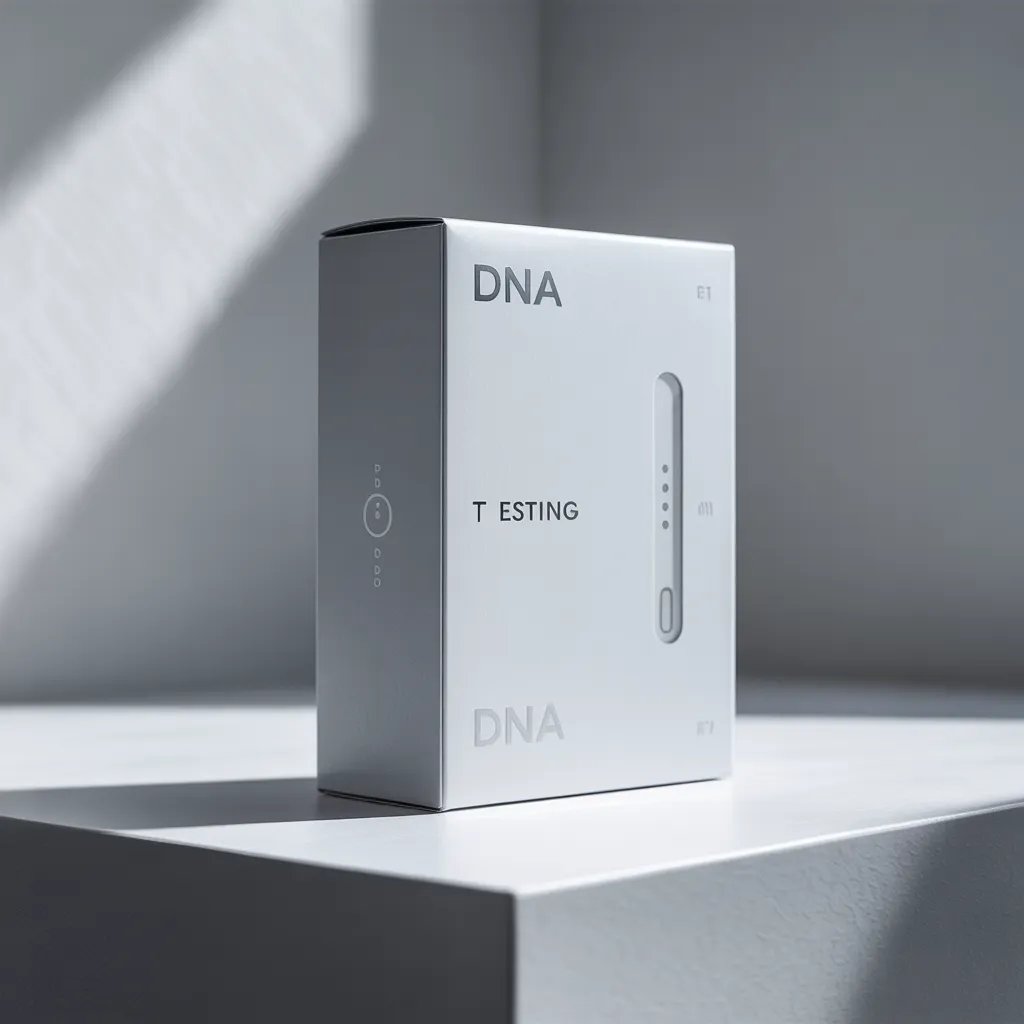
How Do Home Paternity Tests Work?
Home paternity tests typically function via a simple procedure that involves gathering DNA specimens. Participants obtain a testing package containing swabs designed to gather cheek cell samples, generally from the alleged father and the child in question. Participants are advised to softly brush the swabs along the inside of their cheeks in order to collect an adequate amount of genetic material. After collecting the samples, the swabs are secured in provided containers and then forwarded to a testing facility for evaluation.
In the lab, the DNA is isolated and studied to determine distinct genetic characteristics. The examination contrasts the DNA profiles of the child and the alleged father to determine paternity. Results are usually available within a few days, and the process is designed to be user-friendly, ensuring minimal discomfort. The ease of at-home testing resonates with many people, permitting individuals to obtain clarity in the comfort of their personal space. This process underscores the assessment's rising demand as a dependable choice for establishing paternal identity.
What Is the Accuracy of Home Paternity Tests?
What level of accuracy do home paternity tests provide in establishing biological relationships? Typically, these tests are designed to provide a high degree of accuracy, frequently surpassing 99% when performed properly. They analyze DNA samples from the alleged father, child, and sometimes the mother, comparing genetic markers to establish a relationship. Nevertheless, the reliability of results may be affected by elements such as sample contamination or incorrect handling procedures.
Many home tests use sophisticated methods comparable to those used in certified facilities, yet they may fall short of the rigorous supervision linked to professional testing. Furthermore, results can fluctuate between competing kits and providers, highlighting the necessity of selecting a reliable source. While home paternity tests can deliver a strong indication of familial relationships, individuals should exercise discretion, bearing in mind that serious legal and personal consequences may result from the findings. In the end, for complete confidence, consulting a certified laboratory is advisable.
What Privacy Concerns Should You Know About?
Whereas home paternity tests present a practical method for confirming familial biological ties, they also introduce serious privacy issues. The collection and handling of genetic material, typically collected as saliva or cheek swabs, may result in improper access or misappropriation. A large number of firms do not assure the security of collected samples, exposing individuals to the risk of security breaches and data exposure.
Moreover, the data may be distributed to third parties without clear consent, heightening fears of stigmatization or bias. Consumers may also be unaware of how their genomic data will be kept or potentially applied to research objectives.
In addition, the affective dimensions connected to unexpected results can further obscure the landscape of personal privacy. Taken together, while such tests offer simplicity and widespread availability, the shortage of robust regulatory frameworks and accountability in the handling of personal data raises serious questions about people's fundamental right to privacy and authority over their individual genetic material.
How Do Test Results Affect Emotions?
The psychological impact from paternity test results can be deep and wide-ranging. Those involved may experience a range of emotions, ranging from happiness and relief to resentment and heartbreak. For some, a positive match can confirm deeply held convictions, fostering a bond of trust and reassurance. In contrast, a negative result may lead to feelings of doubt, confusion, and heartbreak, particularly if a familial bond is challenged.
These sentiments often spread beyond the individual to impact bonds within the family unit. Parents could wrestle with fear and guilt concerning what this means for their children, while brothers and sisters may experience shifts in their perceptions of family dynamics. Furthermore, social stigma can exacerbate these feelings, as people manage the social pressures related to parenthood. Ultimately, the emotional toll of paternity testing outcomes varies widely, underscoring the intricate relationship between sense of self, trust, and psychological wellness.
Essential Factors for Selecting a Home Paternity Test
Working through the emotional journey in the wake of paternity test results often leads individuals to consider their options thoughtfully, particularly when selecting a home paternity test. Several key factors deserve attention to guarantee a dependable and favorable outcome.
As a primary consideration, accuracy is paramount; people ought to look for tests featuring high sensitivity and specificity levels. Furthermore, the ease of use is vital; a straightforward collection process can alleviate stress. Privacy is another significant concern; trustworthy providers must ensure the safe management of personal information and outcomes.
Pricing is also an important consideration; those considering the service should measure the fee against the test's legitimacy and available support. In addition, customer reviews and testimonials provide insights into the experiences of others, offering guidance in maneuvering through options. By thoroughly considering these aspects, individuals can make informed choices that align with their needs and expectations.
Questions Our Clients Often Ask
Can Home Paternity Tests Be Used as Legal Evidence in Court?
Home paternity tests are typically unable to be used as legal evidence in court because of accuracy concerns and the absence of standardized procedures. Courts typically require testing performed by accredited laboratories to be considered credible legal proof in paternity proceedings.
How Long Do Home Paternity Test Results Take?
Home paternity test results typically take three to five business days to be processed. Some companies offer faster turnaround options, shortening the processing time to as little as 24 hours, depending on the specific testing method used.
Is Retesting an Option if I'm Uncertain About My Results?
Yes, individuals can take the test again if uncertain about the outcome. It is recommended to pause briefly before repeating the test to guarantee accuracy. Seeking professional advice can also offer documentation insight into the right path forward.
What Samples Are Needed for Home Paternity Tests?
Home paternity tests typically require oral swab samples from both the child and the presumed father, though certain kits can also accommodate samples taken from blood. Appropriate collection and proper handling of such samples are vital for obtaining reliable results.
Are There Age-Related Limitations for Children's Testing?
Generally speaking, there are no strict age restrictions for conducting home paternity tests on children. That said, acquiring approval from a legal guardian is usually mandatory, ensuring the child's rights and privacy are respected throughout the process.