Innovations in Breast Augmentation Malaysia
Transform Your Confidence: Your Complete Breast Augmentation Guide
Breast augmentation represents a major decision for many individuals seeking to enhance their appearance and elevate their self-esteem. Recognizing the critical factors, implant varieties, and the healing process is crucial. This guide delivers valuable details into what you can look forward to prior to, during, and following the surgery. As patients evaluate this life-changing journey, they must reflect on how these choices will influence their sense of self and confidence moving forward.
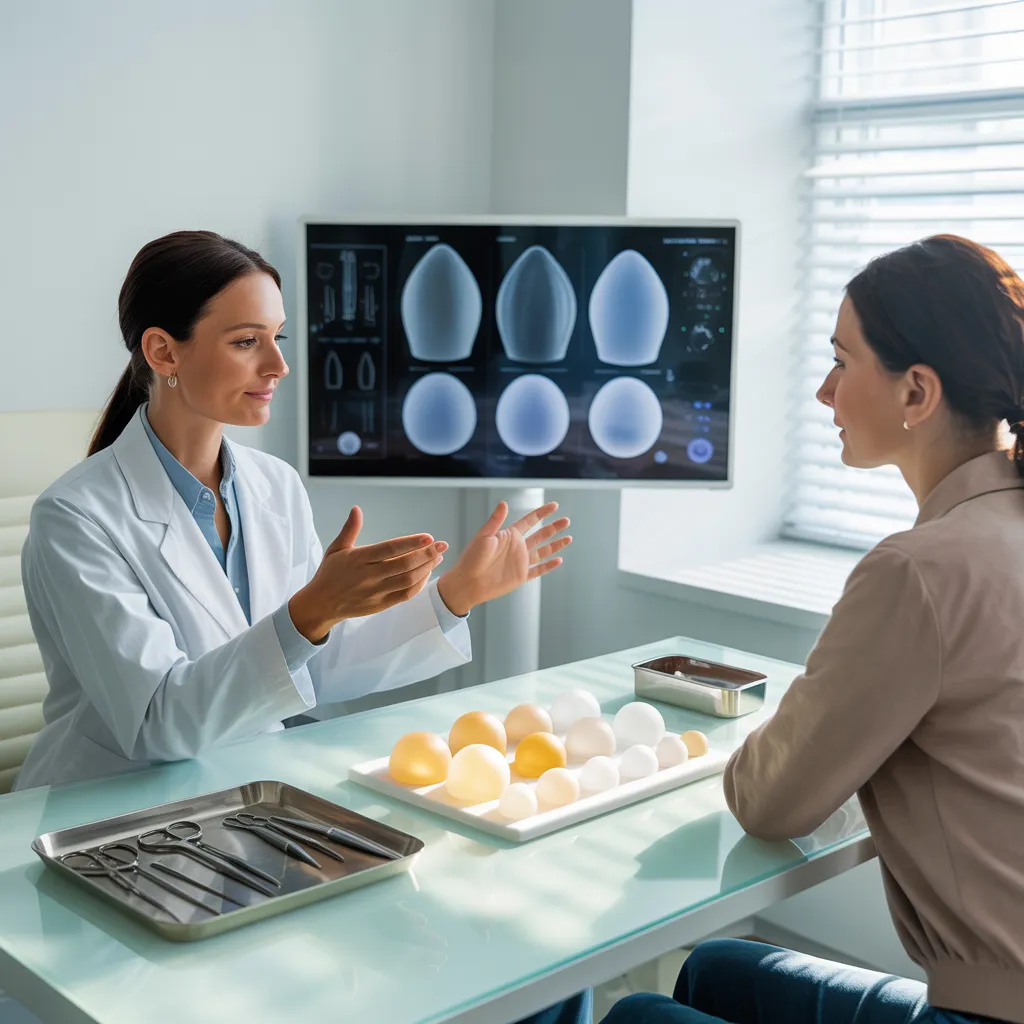
Key Considerations for Breast Augmentation
When contemplating breast augmentation, patients should consider numerous important factors to secure a satisfactory outcome. To begin with, they should examine their motivations for the procedure, making certain that the desire for enhancement comes from personal reasons rather than external pressures. Understanding the potential risks and complications associated with surgery is critical; this includes recognizing the importance of choosing a qualified surgeon with a solid track record.
Additionally, prospective patients must evaluate their existing health status and any existing medical conditions that might complicate the procedure or recovery. Having realistic expectations regarding the results are vital, as breast augmentation can elevate appearance but cannot necessarily fix deeper body image problems. Ultimately, individuals should contemplate the financial elements, including expenses, potential future surgeries, and insurance coverage, to verify they are ready for the financial obligation. Each aspect plays a crucial role in achieving a positive and fulfilling breast augmentation experience.
Choosing the Appropriate Implant: Understanding Types and Sizes
Picking the appropriate implant is a crucial aspect of the breast augmentation journey, affecting both aesthetic results and overall satisfaction. Patients generally select between two main types of implants: saline and silicone. Saline implants are stuffed with sterile saltwater and can be adjusted for size during surgery, allowing for a more tailored fit. On the other hand, silicone implants, filled up with a gel-like substance, often provide a more natural feel and look, making them a popular choice.
Size represents another important factor, typically influenced by individual taste, physical proportions, and desired outcomes. Implants get measured in cubic centimeters (cc), with sizes ranging considerably. A consultation with a qualified surgeon can guide in selecting the appropriate size, accounting for factors such as the patient's lifestyle and anatomy. Ultimately, well-informed choices about implant type and size can considerably boost the final results of the augmentation and boost the patient's confidence.
What Occurs During Breast Augmentation?
Breast augmentation operations commonly occur in a controlled, sterile environment, such as an operating room. The surgery commences with the administration of anesthesia, which can be either general or local, depending on the individual's needs and medical considerations. Once the patient is sedated, the surgeon makes incisions in predetermined locations, often under the breast tissue or surrounding the areola, to decrease visible scarring.
Following this, the surgeon develops a pocket either behind the breast tissue or underneath the chest muscle to accommodate the chosen implant. The implants, regardless of whether they are saline or silicone, are then precisely inserted and positioned to obtain the preferred aesthetic outcome. After verifying proper placement and symmetry, the surgeon seals the incisions using adhesive strips or sutures. The entire process normally lasts approximately one to two hours, after which the patient is observed briefly before proceeding to recovery.
What Can You Anticipate During Your Breast Augmentation Recovery?
Following the completion of breast augmentation surgery, patients enter a recovery phase that is crucial for achieving best possible results. The initial few days may involve pain, swelling, and bruising, which are typical and anticipated. Patients are often recommended to wear a supportive bra and avoid strenuous activities to facilitate healing.
During the first week, energy levels might vary, so it's important to prioritize rest. Regular follow-up visits with your surgeon will track your recovery and resolve any issues.
By week two, many patients begin to experience a reduction in discomfort, although some swelling may persist. Complete healing generally takes several weeks, with patients gradually returning to their normal routines.
It's imperative for patients to stick to post-operative care recommendations, including pharmaceutical regimens and activity limitations, to encourage optimal healing outcomes and fulfillment with their enhanced appearance.
Embracing Your Fresh Look After Surgery
As individuals begin recovering from their breast augmentation procedure, welcoming their new look can be an empowering journey. The transformation frequently boosts confidence, helping individuals to feel increasingly confident in their bodies. Many patients report an enhanced sense of femininity and a newfound appreciation for their appearance.
However, adjusting to this alteration may take some time. It is normal for patients to experience a blend of emotions, including anticipation and anxiety about how others will view their new appearance. Assistance from close friends, family, and experts can be advantageous during this transitional phase.
Engaging in self-care habits, such as wearing flattering clothing and trying out new styles, can enhance this positive outlook. At the core, embracing a new look represents not just a physical change, but also a journey leading to self-acceptance and empowerment. This new confidence can shape numerous aspects of life, including personal relationships and career opportunities.
Popular Questions
How Long Does the Breast Augmentation Consultation Typically Last?
The consultation for breast augmentation typically requires between 30 to 60 minutes. Within this session, patients explore their objectives, receive medical assessments, and get information regarding treatment options, choices, and expected results from their plastic surgeon.
Are There Any Age Requirements for Breast Augmentation?
Generally, people must be no less than 18 years old to have breast augmentation, as the FDA has authorized saline implants for this age category. That said, some surgeons may impose higher age restrictions for particular procedures.
Might Breast Augmentation Interfere With Breastfeeding in the Future?
Breast augmentation can potentially affect breastfeeding, as surgery may alter breast tissue or nerves. Nevertheless, numerous women successfully nurse after the procedure, demonstrating that results can differ linked article depending on individual circumstances and surgical methods employed.
What Are the Prices for Breast Augmentation?
The costs associated with breast augmentation usually span from $3,000 to $10,000, influenced by factors like the surgeon's qualifications, geographic location, type of implants, and further charges such as anesthesia and facility fees.
Can Breast Augmentation Affect Future Mammograms?
Breast augmentation can affect future mammograms by possibly concealing breast tissue, rendering abnormality detection more difficult. It is important for patients to advise their radiologists about their implants to make certain suitable imaging methods are utilized.