Liposuction Malaysia for Thighs
Understanding Liposuction: Expenses, Rewards, and Figure Contouring Details for Successful Fat Elimination Procedures
Liposuction is a widely recognized surgical technique designed to remove localized fat deposits. It can reshape specific areas, refining the body's natural silhouette. While the benefits are appealing, potential candidates should carefully consider the associated costs and risks. Being informed about these elements is crucial for anyone considering this treatment. What considerations play a role in the fluctuating expenses, and how can one guarantee ideal results? Examining these concerns is key to making a well-informed choice.
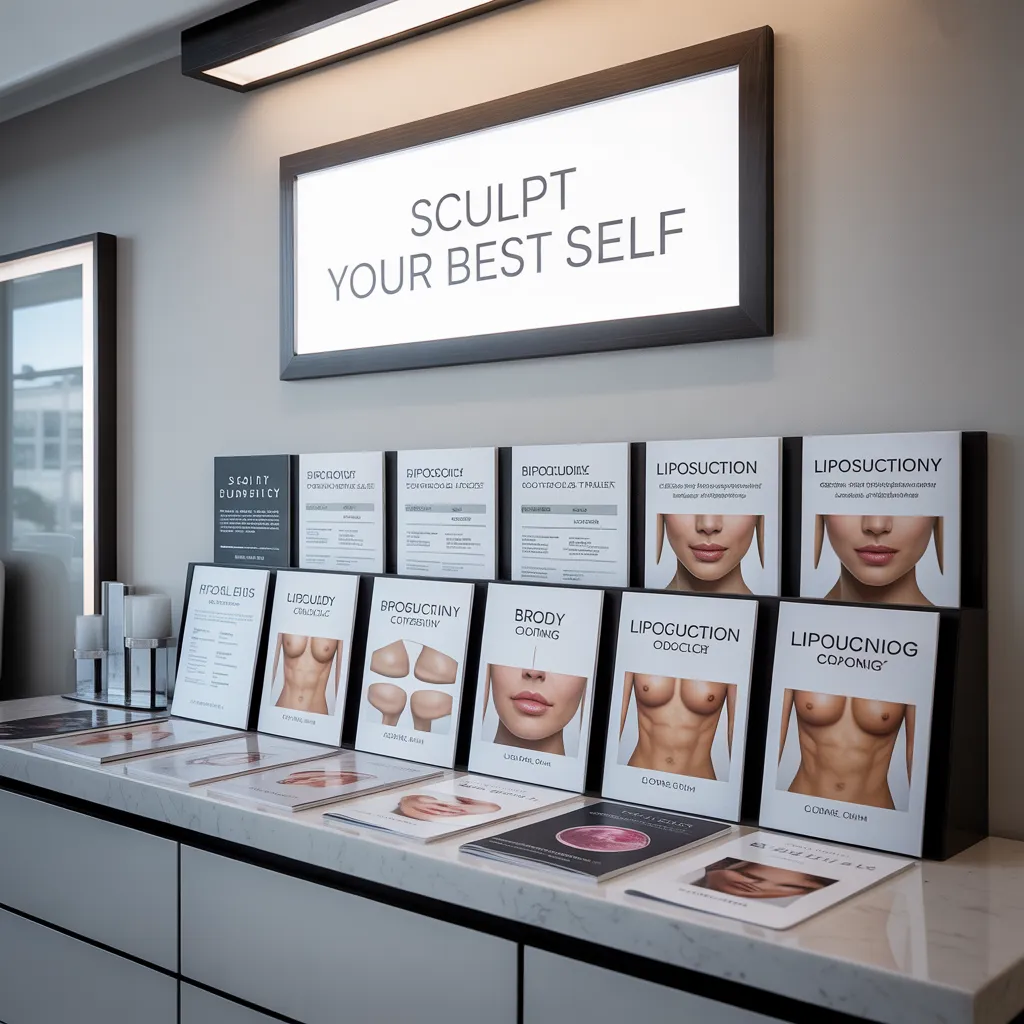
What Is Liposuction and How Is It Performed?
Liposuction, a popular cosmetic procedure, is designed to remove stubborn fat deposits from various areas of the body. This operative procedure employs a cannula, a narrow tube placed through minor incisions in the skin. The surgeon employs suction to eliminate surplus fat, concentrating on regions such as the abdomen, thighs, buttocks, and arms.
Liposuction is conducted under local or general anesthesia, based on the scope of the procedure. Various techniques, including tumescent and ultrasound-assisted liposuction, improve fat elimination and reduce harm to surrounding tissues. While not a weight-loss solution, the procedure aims to sculpt the body by improving contours and proportions. Healing periods differ, with patients often experiencing swelling and bruising post-operation. A thorough consultation with a qualified surgeon is essential to evaluate expectations, risks, and eligibility for the treatment.
Liposuction: Primary Benefits for Body Reshaping
Numerous people looking for body contouring solutions discover that liposuction provides substantial advantages beyond simply removing fat. This cosmetic procedure effectively targets stubborn fat deposits that resist diet and exercise, allowing for a more sculpted physique. By enhancing body contours, liposuction can improve overall proportions, contributing to enhanced self-confidence and a deeper satisfaction with one's physical appearance.
Moreover, liposuction can provide a more rejuvenated look by targeting excess fat in areas such as the abdomen, thighs, and arms. Its minimally invasive approach shortens recovery time in contrast to more extensive surgical interventions, making it an appealing solution for numerous patients.
Moreover, liposuction may be conducted in tandem with other procedures, such as tummy tucks or breast lifts, to attain comprehensive body recontouring. All things considered, the primary rewards of liposuction extend beyond fat removal, giving individuals a tailored approach to reaching their preferred body sculpting outcomes.
What Are the Costs of Liposuction?
Understanding the expense of liposuction is crucial for prospective patients considering this body reshaping option. The average procedure costs can vary considerably based on variables such as the treatment area, the experience of the surgeon, and geographic location. By examining these pricing factors, people can make well-informed decisions with respect to their options.
Common Procedure Fees
The general cost of liposuction can differ significantly depending on a number of factors, such as the treatment area, the surgeon's experience, and the geographic region of the clinic. On average, fees can range from $3,000 to $10,000 per session. Smaller areas, such as the chin or arms, may incur lower costs, while larger areas, like the abdomen or thighs, can lead to higher expenses. Moreover, the qualifications and standing of the surgeon can play a role in determining the price, since highly experienced practitioners often command higher fees. Prospective patients are strongly encouraged to research thoroughly and gather multiple estimates so as to fully comprehend the costs associated with the procedure. Overall, budgeting for the procedure should also account for potential additional costs, including anesthesia charges and facility-related fees.
Factors Influencing Pricing
Several factors considerably influence the pricing of liposuction, making it critical for prospective patients to be aware of these variables. The surgeon's experience and reputation play a crucial role; board-certified plastic surgeons typically charge more due to their expertise. Geographic location also affects costs, with metropolitan areas commonly having higher charges than rural locations. The type of procedure performed, such as tumescent or ultrasound-assisted liposuction, can influence the total expense. Furthermore, the extent of the procedure, including the number of areas treated and the volume of fat removed, contributes to overall costs. Lastly, facility fees, anesthesia costs, and post-operative care should be considered, as they can substantially add to the final expense associated with liposuction.
What Variables Impact Liposuction Results?
Since numerous individuals turn to liposuction for its ability to deliver a more defined figure, various factors can greatly influence the outcomes of the procedure. One primary consideration is the individual's body type and fat distribution. Genetics often dictate where fat is stored, impacting the results of liposuction. Furthermore, the expertise and professional background of the surgeon are critically important; a highly skilled practitioner is better positioned to produce more visually appealing and satisfying results.
Patient health status, such as overall wellness and skin elasticity, plays a role in determining both recovery outcomes and final results. Age may play a significant role, as skin in younger patients generally exhibits superior elasticity, which results in smoother outcomes. Additionally, aftercare following the procedure, such as following medical guidelines and making healthy lifestyle choices, plays a major role in determining the longevity of results. At the core of it, these combined factors shapes the overall success of liposuction, underscoring the importance for individuals to have realistic expectations and engage in thorough consultations with their surgeons.
Essential Steps to Prepare for Liposuction
Getting ready for liposuction entails multiple essential steps that can significantly affect the results. Meeting with your surgeon is vital to address any concerns and gain a clear understanding of the procedure's limitations. Additionally, enhancing your general health before the procedure can improve recovery and outcomes.
Talk To Your Surgeon
How can one guarantee a successful liposuction journey? A critical first step involves consulting with an experienced surgeon. During this consultation, potential patients should discuss their medical history, lifestyle, and aesthetic goals. Such a discussion gives the surgeon the opportunity to determine whether the individual is an appropriate candidate for the surgery. Inquiries regarding methods, healing duration, and possible complications should be raised to establish a thorough comprehension of the procedure.
Moreover, patients ought to communicate anticipated outcomes and any questions or worries they may have. A comprehensive evaluation, involving physical measurements and photos, may be performed to personalize the surgical strategy. This joint endeavor cultivates mutual understanding and ensures that patient and surgeon are in agreement on desired outcomes, which ultimately improves the probability of achieving a positive result.
Comprehend Procedure Limitations
Grasping the limitations of liposuction is crucial for anyone thinking about the procedure, as it establishes realistic expectations and aids in making well-informed decisions. Liposuction is not a remedy for weight loss but rather a body shaping technique focused on eliminating concentrated fat deposits. It fails to treat problems such as excess skin, cellulite, or widespread obesity. Furthermore, outcomes may differ depending on personal factors, such as age, skin firmness, and metabolic rate. Patients must also stay informed about the risk of complications, such as infection or asymmetrical contours. In the end, comprehending these limitations enables individuals to view the procedure with a well-rounded outlook, acknowledging that liposuction is one element of a comprehensive strategy for attaining desired body aesthetics.
Prepare Your Health for Surgery
What actions should individuals consider to enhance their begin here health before liposuction? Getting ready for this surgery requires a number of important steps. First, maintaining a stable weight for at least six months can enhance outcomes and reduce complications. A balanced diet rich in nutrients supports overall health and aids in recovery. Consistent physical activity not only enhances cardiovascular health but also contributes to a more sculpted physique. Additionally, avoiding smoking and limiting alcohol consumption are important, as these habits can impede healing. Speaking with a medical professional to review personal health history and existing medications is vital for tailored guidance. Lastly, keeping well-hydrated and controlling stress with calming practices can additionally support the body's preparedness for the procedure.
What You Can Expect During Post-Liposuction Care
Proper care after liposuction is vital for achieving optimal recovery and outcomes. Following the procedure, patients can expect to experience swelling, bruising, and discomfort in the treated areas. A key component of post-operative care is wearing a compression garment, which assists in decreasing swelling and facilitating proper healing.
Patients are advised to follow the instructions provided by their surgeon regarding activity levels, usually steering clear of vigorous exercise for a number of weeks. Proper hydration and a nutritious diet are essential for the recovery process, because they encourage recovery and contribute to overall wellness.
It is important to attend follow-up sessions to oversee the recovery process and handle any questions. Pain relief may include recommended medications or readily available options, as advised by the surgeon.
Finally, patience is key, as the final results may take several months to become fully apparent. By observing these principles, patients can enhance their recovery and attain the desired body contouring results.
What Are the Potential Risks of Liposuction?
How safe is liposuction? Though it is broadly recognized as a safe option, liposuction does carry potential risks. Frequent complications may involve infection, which may develop when incision sites are not adequately maintained, and excessive bleeding, which can cause hematomas. Additionally, asymmetrical results may occur as a consequence of improper fat removal, making supplementary corrective treatments necessary.
Patients may also experience fluid accumulation, known as seromas, which might necessitate drainage. More serious risks include adverse reactions to anesthesia, blood clots, and harm to surrounding tissues or organs. In uncommon instances, fat embolism—a severe condition in which fat enters the bloodstream—may develop.
It is essential for those contemplating liposuction to meet with certified specialists to carefully review these potential risks. Evaluating one's own health factors and working with a highly qualified surgeon can considerably lower the chances of complications and promote greater safety during the process.
Common Questions and Answers
Can Liposuction Be Applied to Any Part of the Body?
Liposuction can be performed on numerous body parts, among them the arms, abdomen, thighs, and chin. Nonetheless, the appropriateness for each body part is influenced by unique considerations, such as personal body type and individual goals.
How Long Do Liposuction Results Usually Last?
The results of liposuction commonly endure for a number of years, particularly when body weight remains stable. Nevertheless, elements including lifestyle decisions, the aging process, and hormonal fluctuations may affect how long the results last, possibly making supplementary procedures necessary in the future.
Is Liposuction a Safe Option for Every Body Type?
Liposuction is typically considered safe for a wide range of body types, but individual factors such as health status, skin elasticity, and fat distribution play vital roles. Speaking with an experienced surgeon ensures personalized guidance suited to each individual's specific needs.
Does Liposuction Aid in Cellulite Reduction?
Liposuction is not chiefly intended for cellulite reduction. Even though it can refine body contours, its effectiveness on cellulite varies. Patients commonly look for supplementary treatments designed to target cellulite for more pronounced improvements in skin texture.
What Is the Ideal Age for Liposuction?
The ideal age for undergoing liposuction typically ranges from late twenties to early forties. Prospective patients should demonstrate a stable body weight, good skin elasticity, and reasonable expectations to guarantee the best outcomes and reduce the risk of complications.