Professional Aequi Flex Ankle Brace
Ankle Support: Key Equipment for Athletes and Energetic Individuals
Ankle support plays a pivotal role in the lives of active individuals and athletes. It provides necessary stability and protection against injuries during demanding athletic activities. A great number of people underestimate its significance until experiencing a sprain or strain. Understanding the benefits and signs that indicate the need for ankle support can significantly impact performance and long-term participation in sports. Which factors should one evaluate when selecting the appropriate support?
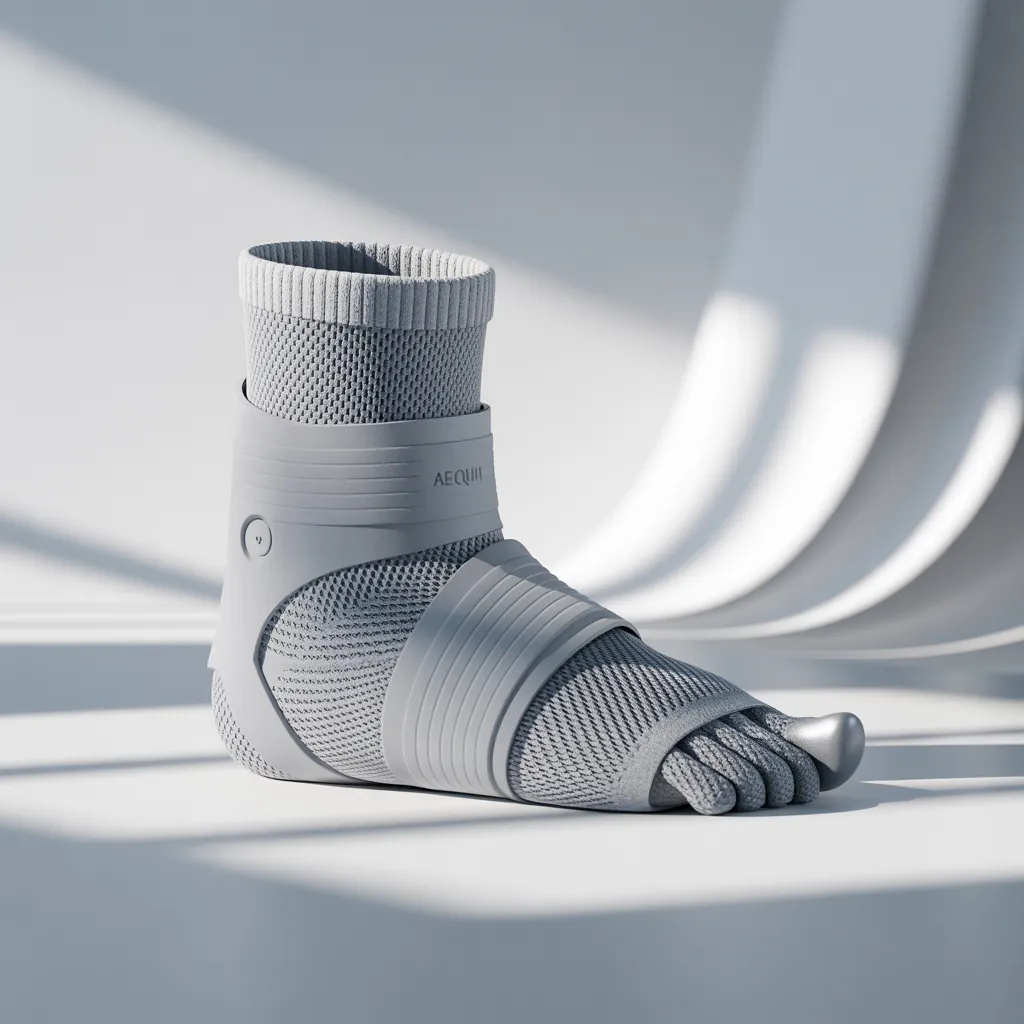
The Importance of Ankle Support for Athletes
Ankle support is essential for athletes, as it helps prevent injuries and enhances performance. The ankle joint is notably at risk during demanding physical sports, where rapid pivoting and unexpected directional changes are prevalent. Without sufficient stabilization, athletes are susceptible to strains, sprains, and serious fractures, which can force them out of competition for significant stretches of time. Ankle support offers essential stability, permitting athletes to copyright proper form and technique, especially during high-intensity explosive actions.
Additionally, the psychological component of wearing ankle support should not be overlooked. Sports professionals often feel safer and more self-assured when their joints are properly supported, allowing them to focus on their overall performance rather than potential injuries. Moreover, different types of ankle supports, ranging from rigid braces to flexible sleeves, cater to a wide range of activity levels and individual preferences. All things considered, prioritizing ankle support is essential for active individuals looking to reach their full potential while lowering injury chances.
Benefits of Wearing Ankle Support During Physical Activity
Ankle support is fundamentally important for improving athletic performance by providing stability and reducing the risk of injuries. By delivering precise support during athletic endeavors, it enables athletes to preserve proper alignment and control. This preventative approach not only encourages confidence but also supports overall safety on the field or court.
Injury Prevention Techniques
Many athletes benefit greatly from incorporating ankle support during physical activity, as it plays an important role in injury prevention. Ankle support helps stabilize the joint, reducing the risk of sprains and strains caused by sudden twists or impacts. Through delivering compression, it can also enhance blood flow, supporting speedier recovery and decreasing fatigue during intense workouts. Moreover, athletes who have experienced ankle injuries in the past may discover that wearing support significantly lowers the chance of re-injury. This proactive approach fosters confidence, allowing athletes to perform at their best without the constant fear of setbacks. Ultimately, ankle support stands as an essential resource in an athlete's toolkit, ensuring longevity in their active pursuits while maintaining ideal performance levels.
Advanced Stability And Support
Sports performers achieve enhanced balance and reinforcement when utilizing ankle support during physical activity, considerably improving their overall performance. By delivering a firm fit, ankle supports aid in stabilizing the joint, reducing the likelihood of sprains and strains. This extra stability enables athletes to perform movements with more confidence, whether pivoting, jumping, or sprinting. Furthermore, ankle support can aid in maintaining optimal alignment, which is vital during demanding athletic movements. The support offered by these devices can also improve blood circulation, encouraging faster recovery times. In summary, the incorporation of ankle support into an sports kit not only enhances overall performance but also supports long-term joint health, making it an essential component for both competitive and recreational athletes alike.
Indicators That You Need Ankle Support
How does one identify when ankle support is required? People might start experiencing discomfort or pain in the ankle while engaging in physical activities, suggesting a need for extra support. Inflammation or soreness around the joint may also indicate that the ankle is being strained, especially following intense applicable information physical activity. Repeated rolling or turning of the ankle, even in everyday activities, points to instability that may be improved with added support.
In addition, persistent fatigue in the ankle after workouts can be an indicator of overuse, calling for the use of support to improve recovery. Athletes can also experience a drop in performance due to lack of confidence in their ankle's stability, prompting the need for external support. Overall, being aware of these signs is fundamental for preventing injuries and ensuring peak performance in physical activities and day-to-day tasks.
Selecting the Best Ankle Support for Your Activity
What aspects should be evaluated when choosing the right ankle support for specific activities? The type of sport or physical activity plays a vital role in this choice. Demanding sports, like basketball or football, could necessitate more rigid support to keep the ankle stable during sudden movements. On the other hand, activities such as running may be better suited to a more flexible, lighter design to allow for natural motion.
The level of injury risk is another important factor. Individuals with a history of ankle injuries may opt for additional support features, like supportive straps or braces. Moreover, the overall duration of the session ought to be factored in; extended periods of activity may require breathable fabrics to improve comfort.
Finally, personal fit and style preferences cannot be overlooked, as these factors can heavily influence consistency in using the support. By taking these factors into account, athletes are able to select the most effective ankle support customized to their unique needs.
Wearing and Fitting Your Ankle Support
Selecting the right ankle support is just the first step; correct fitting and application methods are equally essential for ensuring maximum benefit. Ankle support should be secure but not uncomfortably constrained, providing adequate circulation while offering stability. Before wearing, individuals should modify the fit to match their specific foot contour, paying attention to any pressure points.
When putting on the support, it is crucial to begin at the toes and move upward, making sure that the fabric fits the contours of the ankle. Wearers should also think about the kind of activity for which the brace is designed, as different movements may require particular modifications.
Furthermore, using the ankle support over a light sock can enhance comfort and minimize irritation. Routinely inspecting for indications of wear or damage will make sure the support keeps functioning properly, offering the required support during physical activities.
Strategies for Keeping Your Ankles Healthy and Avoiding Injuries
Maintaining ankle health and preventing injuries is essential for athletes, as even minor setbacks can greatly impact performance. To safeguard against injuries, athletes should focus on appropriate warm-up and cool-down exercises, which boost flexibility and circulation. Strengthening exercises, such as ankle circles and calf raises, can build resilience and support surrounding muscles. Additionally, using appropriate footwear tailored to specific sports is essential, as it provides necessary support and cushioning.
Athletes should consider incorporating incorporate balance training, including unilateral stance drills, to enhance proprioception and minimize the risk of injury. Consistently inspecting the athletic setting for potential dangers, including unstable ground, can also prevent accidents. When engaging in intense physical activities, using ankle wraps or protective braces may deliver enhanced structural support. In the end, a combination of proactive strategies and diligent maintenance can greatly contribute to lasting ankle strength and function, enabling athletes to excel in their sport while reducing the risk of injury.
Commonly Asked Questions
Can Ankle Supports Be Worn During Non-Athletic Activities?
Ankle stabilization can genuinely be advantageous for non-athletic pursuits. People with previous injuries or those who spend extended periods standing or walking may discover that it provides stability and relief, lowering the likelihood of strain and discomfort.
How Frequently Should I Replace My Ankle Support?
Ankle braces should be changed out every six months to a year, based on how frequently they are used and worn. Regular inspections for signs of damage or loss of elasticity can help guarantee ideal support and comfort.
Are There Different Types of Ankle Support for Various Sports?
Indeed, a range of ankle support are designed for various sports. Sturdy braces deliver stability for physical sports, while pliable supports permit freedom of motion for activities like running, ensuring athletes have tailored coverage appropriate for their individual requirements.
Can Ankle Support Cause Dependency or Weaken the Ankle?
Yes, long-term reliance on ankle support can create reliance, as muscles may deteriorate from insufficient engagement. This can result in compromised stability and strength, causing individuals to become more vulnerable to injury when ankle support is discontinued.
What Are the Best Materials for Ankle Support Products?
Neoprene, flexible fabric, and nylon are excellent options for ankle stabilization products. These components supply breathability, flexibility, and compression, offering reliable support while facilitating ease of movement across various physical activities.