Why Ultherapy vs HIFU Malaysia Can Boost Confidence
Ultherapy vs HIFU: Key Differences, Benefits, and Which Treatment Is Best for You
In the field of non-surgical skin tightening, Ultherapy and HIFU are notable for their different techniques and effects. Both treatments target varying skin layers and provide distinct advantages. Grasping these variations is important for individuals exploring their options. What factors should influence the decision between these two options? The nuances in treatment methods, results, and costs may reveal more than initially apparent.
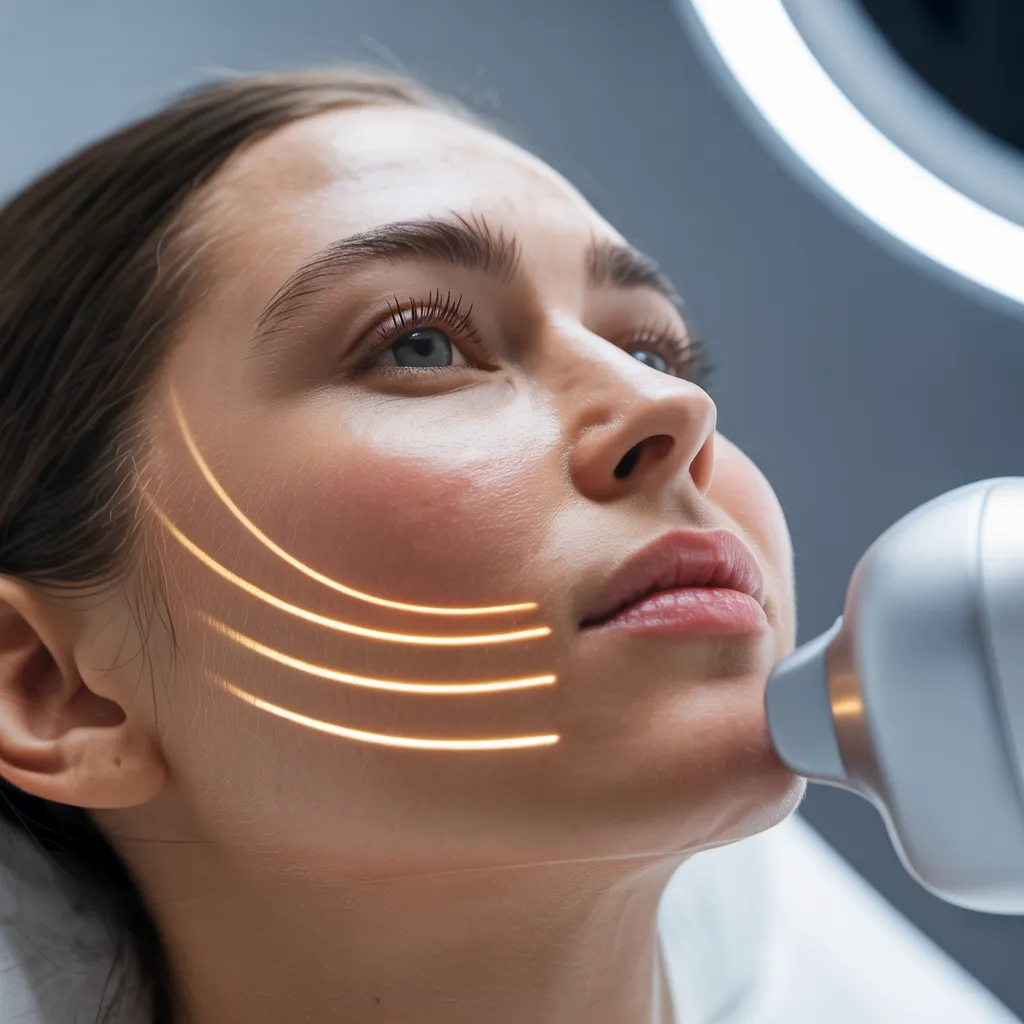
Ultherapy vs HIFU: Which Skin Tightening Treatment Is Right for You?
When looking at skin tightening treatments, how do Ultherapy and HIFU compare? Both treatments utilize ultrasound technology but vary in their application and results. Ultherapy is FDA-cleared and focuses on the deeper skin layers to encourage collagen production, producing a more lifted appearance. It is generally recommended for those seeking noticeable lifting effects, particularly on the neck, brow, and décolleté area.
In contrast, High-Intensity Focused Ultrasound (HIFU) works in a comparable manner but often concentrates on superficial layers. This treatment is frequently preferred for its ability to treat a broader range of dermatological conditions, including surface lines and general skin texture enhancement.
While Ultherapy is generally considered more effective for significant tightening, HIFU could be the preferred option for those desiring gentler results. Ultimately, the choice between Ultherapy and HIFU should be guided by individual skin conditions, desired outcomes, and professional recommendations.
How Does Ultherapy Treatment Work?
Ultherapy leverages targeted ultrasound technology to pass through the skin's outer layers, targeting the deeper layers where collagen production occurs. This non-invasive treatment utilizes ultrasound imaging technology to map the skin's layers, allowing for exact energy transmission to precise skin depths. By heating the tissue, Ultherapy triggers the body's natural restorative process, fostering collagen production and gradual skin firming.
Patients generally experience little to no discomfort, as the procedure is designed to focus energy on targeted areas without affecting nearby tissue. The effects of Ultherapy become visible gradually, often improving over a few months as new collagen continues to form. Sessions generally last between thirty to ninety minutes, depending on the treatment area.
Effects can be maintained for up to a year or beyond, making it a compelling choice for those seeking a non-surgical lift. Overall, Ultherapy offers a unique approach to skin tightening by leveraging the body's inherent capabilities to refresh and reestablish skin tightness.
What Is HIFU?
High-Intensity Focused Ultrasound (HIFU) represents a non-invasive technological advancement that employs focused ultrasound energy to support tissue tightening and lifting. The treatment process involves directing ultrasound waves to specific layers of skin, stimulating collagen production for rejuvenation. HIFU is commonly applied to various areas, including the face, neck, and décolletage, targeting sagging skin and improving overall appearance.
The Science and Technology Behind HIFU
High-Intensity Focused Ultrasound, commonly known as HIFU, leverages cutting-edge ultrasound technology to reach and activate deeper layers of the skin. This advanced non-surgical method employs precisely directed sound waves to develop thermal energy at precise depths, encouraging collagen generation and skin firming. By directing energy to specific focal points, HIFU prevents damage to neighboring tissues, improving both safety and efficacy.
The technology utilizes a handheld device that generates ultrasonic waves, enabling practitioners to tailor treatment depth based on individual skin conditions and goals. HIFU operates without incisions, making it a popular choice for individuals looking for skin renewal without lengthy recovery periods. This advanced technique has earned recognition for its proven ability to firm and lift skin, establishing it as a credible choice in cosmetic procedures.
Treatment Procedure Summary
While many seek effective non-invasive skin rejuvenation options, the treatment process of HIFU stands out for its straightforward yet impactful approach. HIFU, or High-Intensity Focused Ultrasound, uses ultrasound energy to reach deep layers of the skin, stimulating collagen production without damaging the surface. The treatment usually starts with a consultation to evaluate personal skin requirements and define objectives. A specialized gel is subsequently applied to the targeted area to ensure optimal ultrasound delivery. The HIFU handpiece is carefully passed over the skin, administering precise energy pulses. Each treatment session runs for around 30 to 90 minutes, according to the size of the treated area. Individuals may notice minor discomfort, but no downtime is necessary, permitting a swift return to normal activities.
Focus Areas for HIFU Treatment
Non-invasive skin therapies have risen in prominence for their ability to target specific areas of concern effectively. HIFU, or High-Intensity Focused Ultrasound, is particularly renowned for its accuracy in treating a wide range of skin concerns. It is commonly used to treat sagging skin on the face, neck, and décolletage, resulting in a visibly lifted and rejuvenated appearance. Moreover, HIFU is effective in reducing fine lines and wrinkles, improving the overall texture and firmness of the skin. Beyond facial applications, it is equally effective for sculpting and contouring the body, focusing on areas like the abdomen, thighs, and arms. The treatment stimulates collagen production, promoting sustained skin rejuvenation over time. Patients often favor HIFU for its ability to deliver noticeable results without invasive procedures, making it a popular choice among those seeking non-surgical enhancements.
Ultherapy vs HIFU: Treatment Methods
When comparing Ultherapy and HIFU, key differences in treatment technology come to light, affecting their effectiveness and applications. The duration of each procedure varies, which can impact patient preferences and appointment planning. Furthermore, the particular areas addressed by each procedure highlight their unique approaches to skin tightening and rejuvenation.
Treatment Technology Distinctions
Ultherapy and HIFU (High-Intensity Focused Ultrasound) utilize distinct technologies to achieve skin tightening and rejuvenation. Ultherapy uses micro-focused ultrasound combined with visual imaging, enabling practitioners to pinpoint specific skin layers and deliver energy exactly where it is required. This technique encourages collagen production, leading to lifted and firmer skin over time. By comparison, HIFU employs high-intensity focused ultrasound without real-time imaging, channeling energy to deeper skin layers in a broader manner. Even though both options support collagen regeneration, their technological variations influence treatment depth and accuracy. As a result, patients may notice differing results depending on their individual skin conditions and desired outcomes, making it vital to comprehend these technological differences when evaluating either treatment.
Procedure Timeframe Comparison
When evaluating procedure durations for Ultherapy and HIFU, multiple considerations arise that can affect the overall treatment time. Generally, Ultherapy sessions last between 30 to 90 minutes, according to the targeted areas and the scope of treatment necessary. In contrast, HIFU procedures typically span from 30 to 60 minutes. The precise timing for both treatments can fluctuate depending on individual patient needs, the skill of the specialist, and the technology used. Patients seeking a more extensive treatment may find Ultherapy takes longer owing to its thorough technique. Ultimately, understanding these time frames can help individuals schedule effectively, ensuring they allocate sufficient time for their selected treatment.
Targeted Areas Addressed
Ultherapy and HIFU present unique solutions for non-surgical skin tightening, addressing targeted areas of the face and body. Ultherapy primarily focuses on lifting and tightening the skin on the face, neck, and décolletage by utilizing ultrasound technology to stimulate collagen production. It is particularly effective for addressing sagging skin and enhancing the jawline and brow area.
In contrast, HIFU , which stands for High-Intensity Focused Ultrasound, has a broader scope of use, frequently utilized for both facial and body treatments. It targets areas such as the arms, thighs, and abdomen, making it versatile for overall skin tightening. While both treatments enhance skin suppleness, their areas of focus determine the most suitable option based on each individual's aesthetic goals.
What Outcomes Can You Anticipate From Ultherapy and HIFU?
What kind of results can individuals anticipate from Ultherapy and HIFU? Both treatments aim to improve skin laxity and promote a more youthful appearance. Ultherapy generally delivers benefits including tightened skin, minimized wrinkles, and more defined facial contours. Such positive changes often begin to appear within a few months and can endure for a year or more, depending on each person's unique skin condition and aging progression.
HIFU, or High-Intensity Focused Ultrasound, offers comparable advantages as well, targeting the lifting and tightening of lax skin. Patients may see immediate results, with continued improvement over several months as the body's collagen synthesis rises.
In both treatments, results can vary depending on factors like age, skin type, and treatment areas. Although Ultherapy is commonly favored for its ability to precisely address deeper layers, HIFU is celebrated for its extensive and readily available approach. In the end, patients can anticipate notable improvements in skin tone and texture with either choice.
Side Effects and Recovery Periods: Ultherapy vs HIFU
Side effects and recovery periods can vary considerably between Ultherapy and HIFU. Ultherapy typically involves little to no downtime, with nearly all patients getting back to their regular activities straight after the procedure. Common side effects include slight redness, puffiness, and sensitivity in the affected areas, which usually resolve within several hours to a couple of days.
In contrast, HIFU tends to cause extended after-effects such as bruising and swelling, subject to individual sensitivity. Recovery times can range from a few hours to several days, especially when multiple areas are treated. Although both procedures are typically well-accepted, patients ought to consider these potential side effects and factor in their personal schedules when preparing for the procedure. Consulting with a qualified practitioner can assist patients in gaining clarity on their specific more info risks and recovery expectations, supporting a thoroughly educated determination regarding their treatment options.
Price Breakdown: Ultherapy vs HIFU
If you compare the prices of Ultherapy and HIFU, key differences arise that can affect a patient's final decision. In most cases, Ultherapy is pricier, often ranging from $2,000 to $4,000 per procedure, according to the area being addressed and the provider's level of skill. This elevated cost reflects its FDA approval and cutting-edge technology. In contrast, HIFU treatments usually fall between $500 and $2,500, making it a more affordable option for a wide range of patients.
Since both procedures deliver non-surgical skin firming options, the difference in pricing may prompt patients to consider how many sessions are needed. Ultherapy generally necessitates fewer appointments, possibly compensating for its elevated starting price. Individuals should assess their finances in relation to their goals to decide which option most closely matches their budgetary and beauty aspirations. In the end, a comprehensive evaluation with an experienced specialist can offer tailored guidance on the most appropriate choice.
Common Questions and Answers
How Long Do Ultherapy and HIFU Results Usually Last?
Ultherapy results generally last anywhere from 6 to 12 months, while HIFU treatment results may persist from 6 months to as long as 2 years. Variables such as skin type and age can play a role in determining the longevity of results.
Are Ultherapy and HIFU Appropriate for Every Skin Type?
Ultherapy and HIFU are generally suitable for various skin types. Nevertheless, personal factors including skin sensitivity and particular conditions ought to be evaluated by a certified professional to identify the most suitable treatment for each individual.
Can These Treatments Be Paired With Additional Procedures?
Both Ultherapy and HIFU treatments can be safely combined with various other cosmetic procedures, enhancing overall results. Specialists commonly recommend personalized treatment plans according to individual skin types and target results for maximum effectiveness and safety.
What Age Is Best for Starting Ultherapy or HIFU?
The ideal age to begin Ultherapy or HIFU commonly spans from the late twenties through the early forties, as many seek to take preventive action or manage the initial signs of aging, maximizing the treatments' effectiveness during this period.
How Do I Choose a Qualified Provider for These Treatments?
To select a competent provider for HIFU or Ultherapy, one should verify credentials, request referrals, examine client reviews, and ensure the provider has substantial knowledge with the particular procedure to ensure optimal results and safety.